
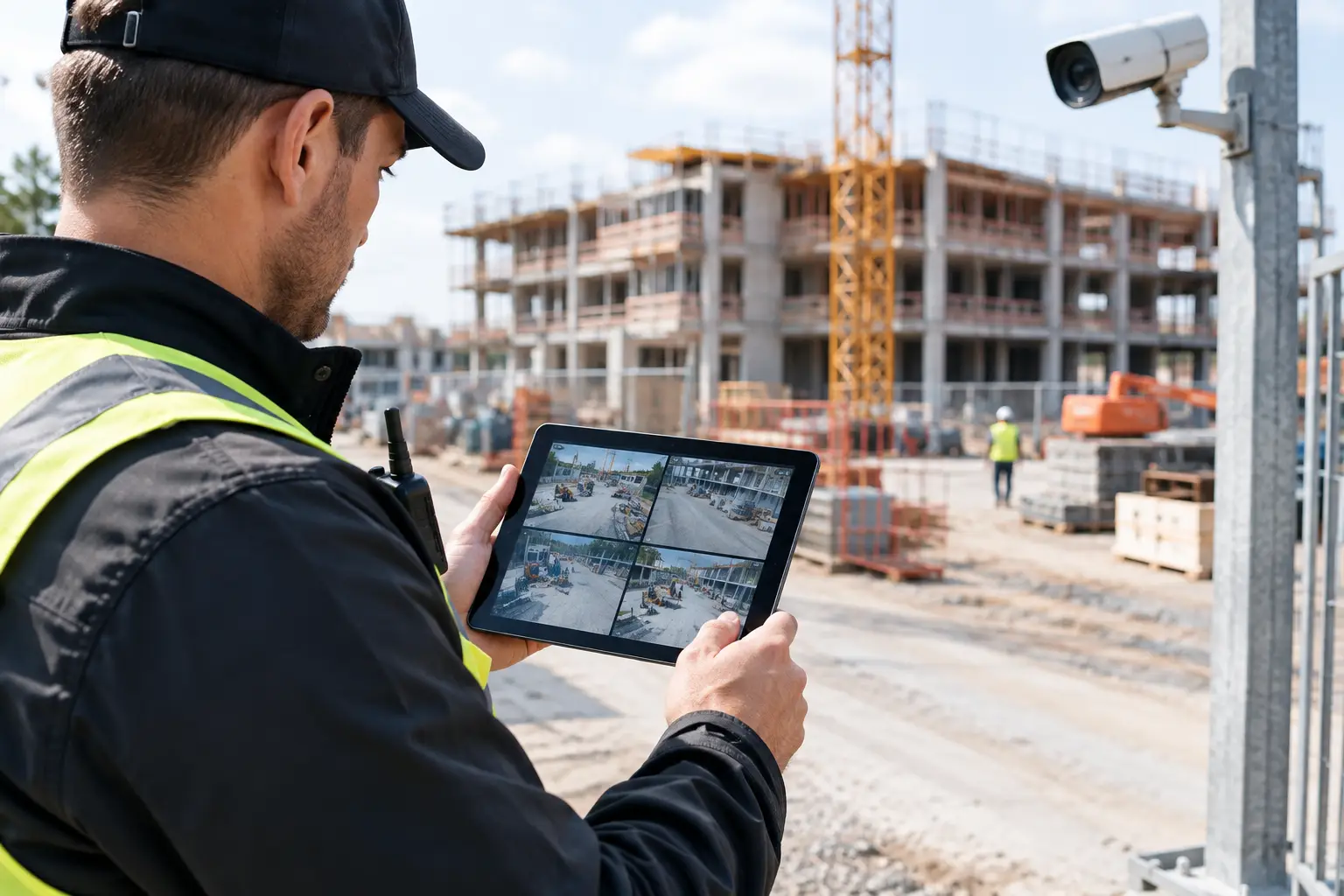
A substation camera may capture a truck entering through a breached gate at 2:14 a.m. By the time a site manager reviews the alert at 8:00 a.m., the recorder may already be overwriting the footage. Knowing how to preserve surveillance evidence before that overwrite occurs can determine whether an incident leads to an identifiable suspect, an insurance recovery, an enforceable trespass case, or an unanswered loss.
For utilities, industrial operators, construction managers, and municipal teams, video is not merely a security tool. It can document unauthorized access, copper theft, vandalism, unsafe work-zone activity, vehicle impacts, employee injuries, and response actions. The preservation process must protect the footage itself and the facts surrounding it: who handled it, where it came from, what system produced it, and whether it has been altered.
Preserve the Original Before Reviewing Becomes Routine
The first operational rule is simple: stop the system from overwriting relevant footage. Most network video recorders, cloud platforms, trail cameras, and solar-camera networks operate on retention schedules. A site may have 30 days of storage, seven days of storage, or far less during periods of high motion activity. Do not assume footage remains available because it was visible on a monitor during an initial review.
As soon as an incident is reported or suspected, identify the time window to be preserved. Start wider than the apparent event. If a theft was discovered at 6:00 a.m., preserve footage from the prior shift change, the likely access period, and the period after discovery. A narrow clip might show a person cutting a fence, but the preceding hour may show vehicle entry, a second participant, or a camera obstruction. The following hour may capture evidence removal, patrol observations, or responding officers arriving on scene.
Place the relevant recordings under retention lock when the platform allows it. If the system has no legal-hold function, export the original recording promptly and document that the source system remains intact. Do not delete surrounding recordings simply because they appear unrelated. The broader timeline often becomes relevant once law enforcement, insurers, counsel, or internal investigators begin asking questions.
Treat exports as evidence, not convenience copies
A downloaded video file may be useful for quick review, but it is not automatically a defensible evidence copy. Preserve the native export whenever possible, including the player or verification file supplied by the camera system. Native exports may retain camera identifiers, timestamps, watermarks, audit data, and other information that supports authenticity.
Create a separate working copy for email, review meetings, or incident reports. That separation matters. The original export should remain untouched in controlled storage. A working copy can be trimmed or converted for viewing if necessary, but it must be clearly labeled as a derivative copy, not the original evidence.
How to Preserve Surveillance Evidence With Chain of Custody
Chain of custody is the record that shows where evidence came from, who possessed it, what was done to it, and when each transfer occurred. It is not reserved for major criminal cases. A clear custody record protects the site operator when footage is needed for a police report, a contractor dispute, a claim, a personnel investigation, or a regulatory review.
Start an evidence log at the time of preservation. Record the incident number, site name and address, camera or device identifier, recording date and time range, time zone, person who performed the export, source system, file name, and storage location. Note whether the system clock was verified or appeared inaccurate. A five-minute clock discrepancy can matter when footage is compared with access-control records, dispatch logs, vehicle GPS data, or 911 calls.
Each time the original is accessed, copied, transferred, or released, add an entry. Include the date and time, the name and role of the person handling it, the reason for access, and the receiving party. If footage is delivered to a sworn officer or investigator, document the receiving agency, case number, and receipt information when available.
For higher-risk incidents, use a file hash to verify that the exported digital file has not changed. A hash is a unique digital fingerprint generated from the file. The technical step is worthwhile for major theft, sabotage, injury, or litigation matters, but it does not replace practical controls. Restricted access, documented handoffs, and preserved original media remain the foundation.
Capture the Records That Give Video Context
Video rarely stands alone. A camera may show a pickup truck near a gate, but access records may show which credential opened the gate, while a patrol log may establish when an officer checked the perimeter. Preserve those records at the same time as the video.
Relevant materials often include access-control logs, visitor records, contractor sign-in sheets, alarm notifications, remote-monitoring alerts, dispatch notes, patrol activity logs, radio traffic, incident reports, photographs, and maintenance records for the camera or gate involved. For work zones, preserve traffic-control plans, officer assignment records, lane-closure schedules, and any available dash-camera footage.
Do not rely on memory to fill gaps later. Have the first observer or responding officer record factual observations while they are fresh: what was seen, where it was seen, the condition of gates and locks, vehicle descriptions, direction of travel, and any statements made. Keep observations separate from assumptions. “South gate latch was cut” is useful. “The contractor probably left it open” is not an evidence finding.
Verify time, location, and camera coverage
Before presenting footage as a complete account, verify what the camera could and could not capture. Confirm the camera location, field of view, recording status, resolution, and whether the footage was continuous or motion activated. A gap in recording may have an ordinary explanation, such as network interruption, a power issue, or a retention setting. Document the gap instead of glossing over it.
Also verify the device time against a reliable reference. If camera clocks are wrong, preserve the footage anyway, then document the known offset. Accuracy about limitations strengthens the credibility of the evidence that remains.
Secure Evidence Without Disrupting Operations
Preservation should not create a second operational failure. At a transmission yard, active construction site, or municipal event, managers still need cameras operational, gates controlled, crews protected, and incident response moving. The answer is to preserve a locked evidence copy while allowing the live system to continue operating under normal security procedures.
Limit access to original evidence to designated personnel. Avoid circulating clips through text threads, personal phones, or informal email chains. Those habits create uncontrolled copies, expose sensitive site information, and make it difficult to determine which version is authentic. If leadership needs situational awareness, provide a controlled working copy and state that it is for operational review only.
Physical media deserves the same care. Label external drives, SD cards, and removable recorder media with the incident number, source device, date range, and handler. Store them in a restricted, dry location with access documented. Never leave evidence media in an unattended site vehicle, job trailer, or desk drawer.
Know When to Escalate to Law Enforcement
Call law enforcement promptly when there is active criminal conduct, forced entry, theft, threats, assault, damage to critical infrastructure, or a safety risk. Preserve the scene when practical and safe. Do not allow employees or contractors to handle cut locks, tools, discarded property, or vehicle debris unless necessary to remove an immediate hazard.
A sworn officer can address trespass and criminal activity directly, establish an incident record, and coordinate evidence transfer with responding agencies. For sites that face recurring intrusion, documented incident footage combined with officer reports, patrol logs, and access-control records can establish patterns that a single clip cannot show.
Not every event requires a criminal referral. Some incidents are equipment failures, vendor disputes, or internal policy matters. Even then, use the same preservation discipline. The decision about what the event means can change after additional facts emerge. Evidence that was discarded because it seemed routine is difficult, and often impossible, to recover.
Build Preservation Into the Security Plan
The best time to define evidence handling is before an incident. Assign primary and backup personnel who can access each camera platform. Set retention periods based on site risk, travel time to remote locations, and the time it typically takes to discover losses. A remote solar-camera deployment may provide rapid alerts and documented incident footage, but the response plan must still state who locks the recording, exports it, and notifies management.
Test the process during routine operations. Confirm that authorized staff can export native footage, locate camera identifiers, retrieve access logs, and complete an evidence log without improvisation. Review storage capacity after storms, outages, major construction phases, or large events, when recording volume and incident exposure can rise sharply.
Grid Guard Protective Services supports this operational model with licensed, insured, off-duty sworn officers, documented incident reporting, and augmented coverage that pairs on-site enforcement authority with remotely monitored camera networks. For Georgia sites, the goal is not simply to record an incident. It is to preserve a reliable record that protects the asset, supports a lawful response, and stands up when the facts are tested.